GUIDE · 4 MIN READ
Ordered dithering vs error diffusion
One reacts to the picture. The other does not care what the picture is. That is the whole distinction, and it decides which one you want.
Two different mechanisms
Error diffusion algorithms like Floyd-Steinberg, Atkinson and Jarvis are data dependent. Each pixel is influenced by the rounding errors of the pixels before it, so the output pattern is derived from the image itself. Change one pixel of the input and the texture downstream changes too.
Ordered dithering does nothing of the kind. It compares each pixel against a fixed threshold matrix tiled across the image, most commonly an eight by eight Bayer matrix. Whether a pixel rounds up or down depends only on its coordinates and its own value. No information passes between pixels at all.
What that means in practice
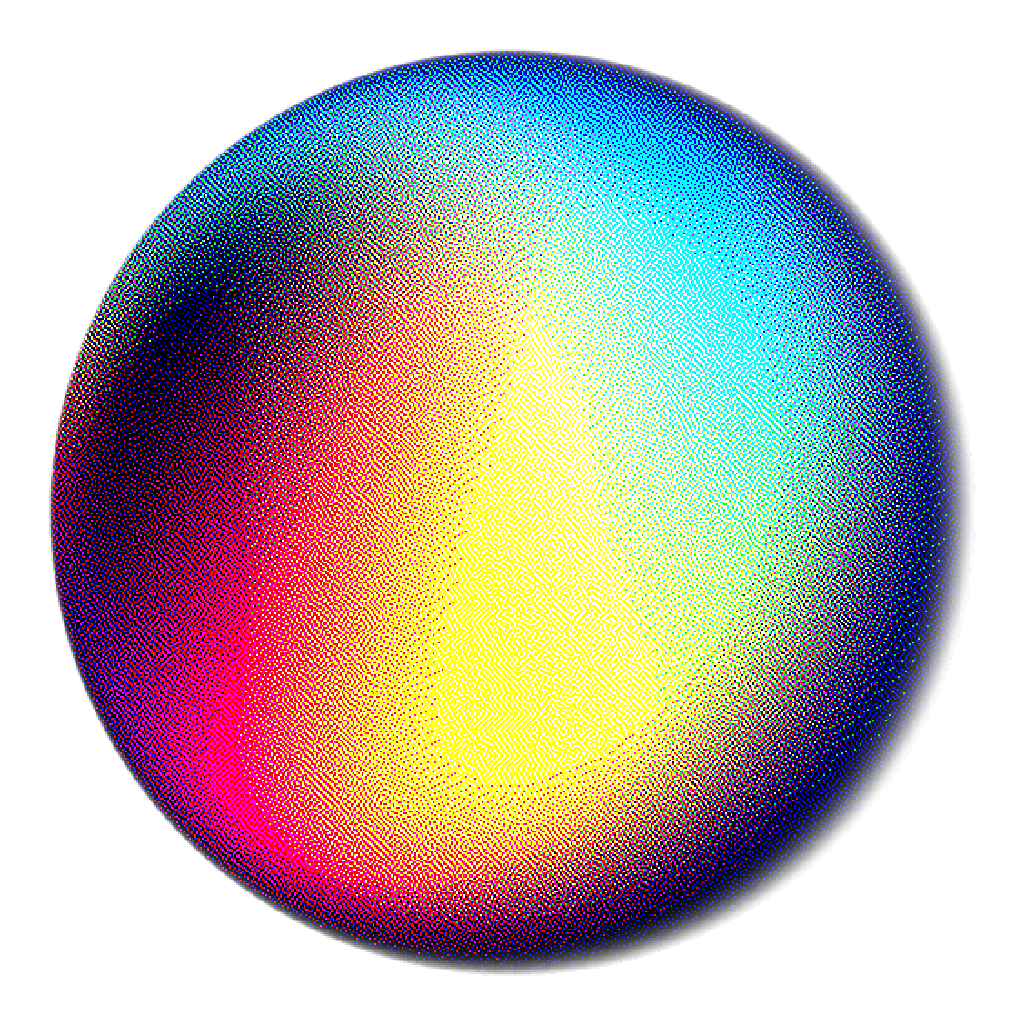
Because the ordered pattern is fixed, the output has a visible regular crosshatch. On flat surfaces this is very obvious, which can be exactly what you want. It is the texture of CGA-era PC graphics, of cheap newspaper printing, and of anything that should feel machine-made.
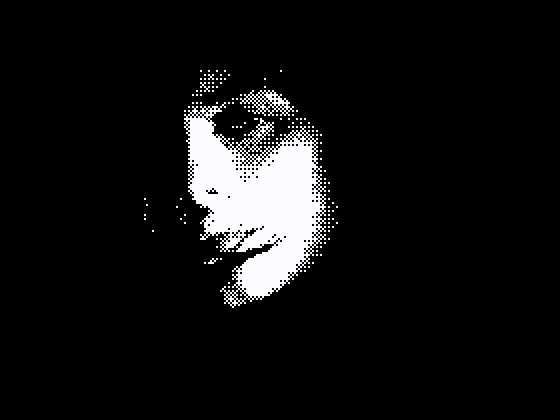
Error diffusion produces an organic, irregular grain instead. It generally preserves detail better and looks more photographic, but it will never give you that clean repeating pattern.
There is one decisive practical difference. Ordered dithering is stable between frames: the same input always produces the same pattern in the same place. Error diffusion is not, so if you dither the frames of an animation independently the grain crawls and boils distractingly. For anything animated, ordered dithering is usually the only sane choice.
Choosing
Pick ordered dithering for halftone and newsprint effects, authentic CGA looks, flat graphic subjects, and anything that will move. Pick error diffusion for photographs, portraits, gradients, and any case where you want the reduction to be felt rather than seen.